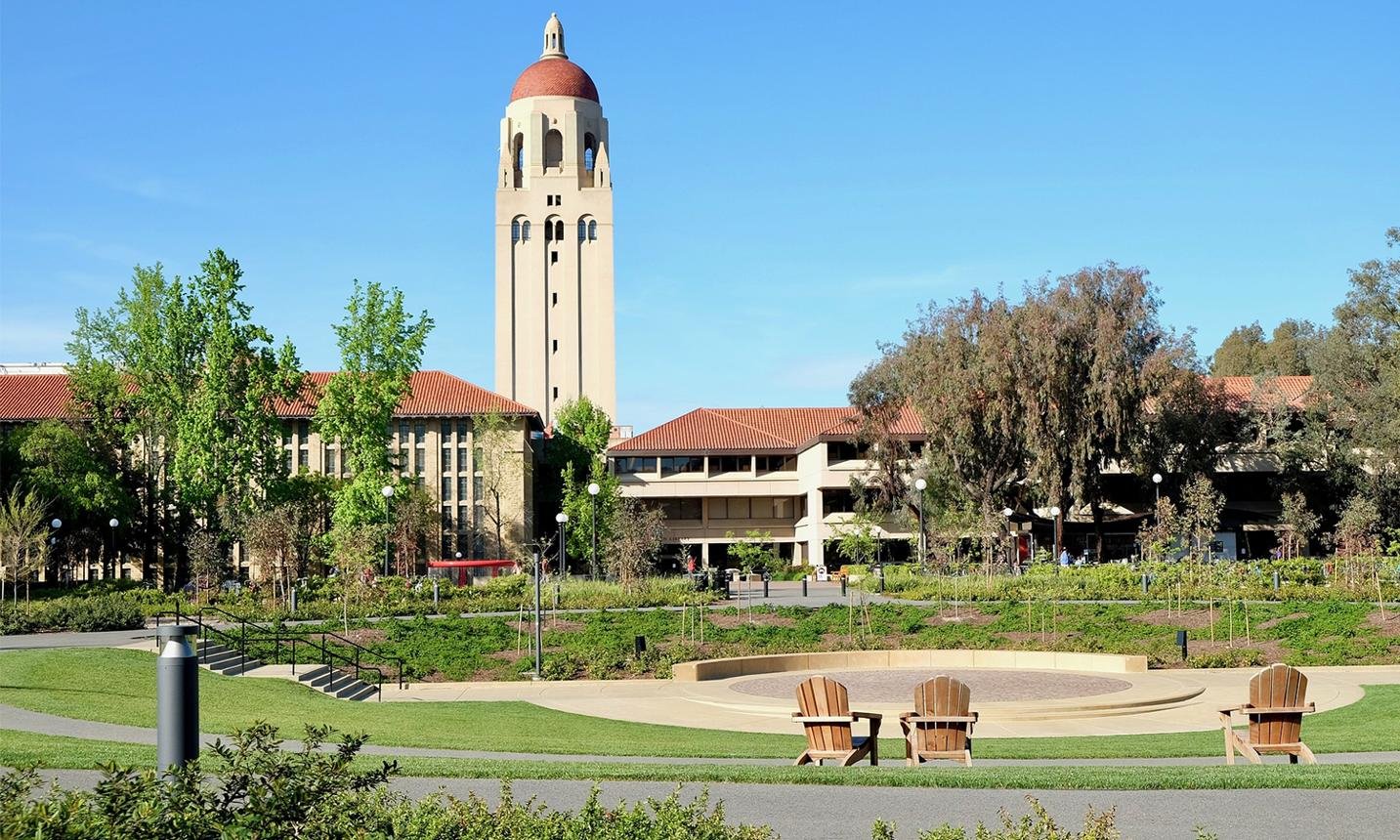










Housing and dormitory life are important aspects of the student experience at USA universities. For many students, especially international students, living on campus is their first experience away from home. Dormitory life teaches independence, responsibility, cooperation, and social skills while also providing convenient access to university resources and activities.
Most American universities offer on-campus housing for students. Dormitories are usually located close to classrooms, libraries, cafeterias, and recreational facilities. Living near academic buildings allows students to save transportation time and participate more actively in university events and activities.
Dormitory rooms vary depending on the university and housing type. Some students share rooms with roommates, while others may have private rooms or apartment-style housing. Shared living spaces help students build friendships and improve communication skills. Students often learn how to cooperate, respect differences, and solve problems together.
Living with roommates from different backgrounds can be an educational experience. Students may interact with people from different countries, cultures, religions, and lifestyles. These experiences improve cultural understanding and social awareness.
University dormitories usually provide essential facilities such as internet access, laundry rooms, study areas, kitchens, and recreational spaces. Some dormitories also include fitness centers, television lounges, and gaming rooms to create comfortable living environments.
Safety is a major priority in university housing. Most campuses use security systems, student identification cards, surveillance cameras, and emergency services to protect residents. Resident assistants are also available to help students adjust to dormitory life and resolve problems when needed.
Dormitory life teaches important life skills. Students learn how to manage personal schedules, maintain cleanliness, budget expenses, and balance academics with social activities. These responsibilities prepare students for adult life and future independence.
Universities often organize housing events and social activities to help students build communities and friendships. Welcome events, movie nights, cultural celebrations, and group activities create supportive campus environments.
Dining halls are another important part of student housing life. Most universities provide meal plans that allow students to eat on campus conveniently. Dining halls often offer a variety of foods from different cultures, helping international students feel more comfortable.
While dormitory life offers many benefits, students may also face challenges such as homesickness, privacy concerns, and adjustment difficulties. Universities provide counseling services and support programs to help students manage emotional and social challenges.
Off-campus housing is another option for students, especially upper-level students and graduate students. Some students rent apartments or houses near universities for greater independence and privacy. However, living off campus may require additional responsibilities such as transportation and utility management.
In conclusion, housing and dormitory life at USA universities provide students with safe, supportive, and educational living environments. Through campus living experiences, students develop independence, friendships, and life skills that contribute to personal growth and academic success.