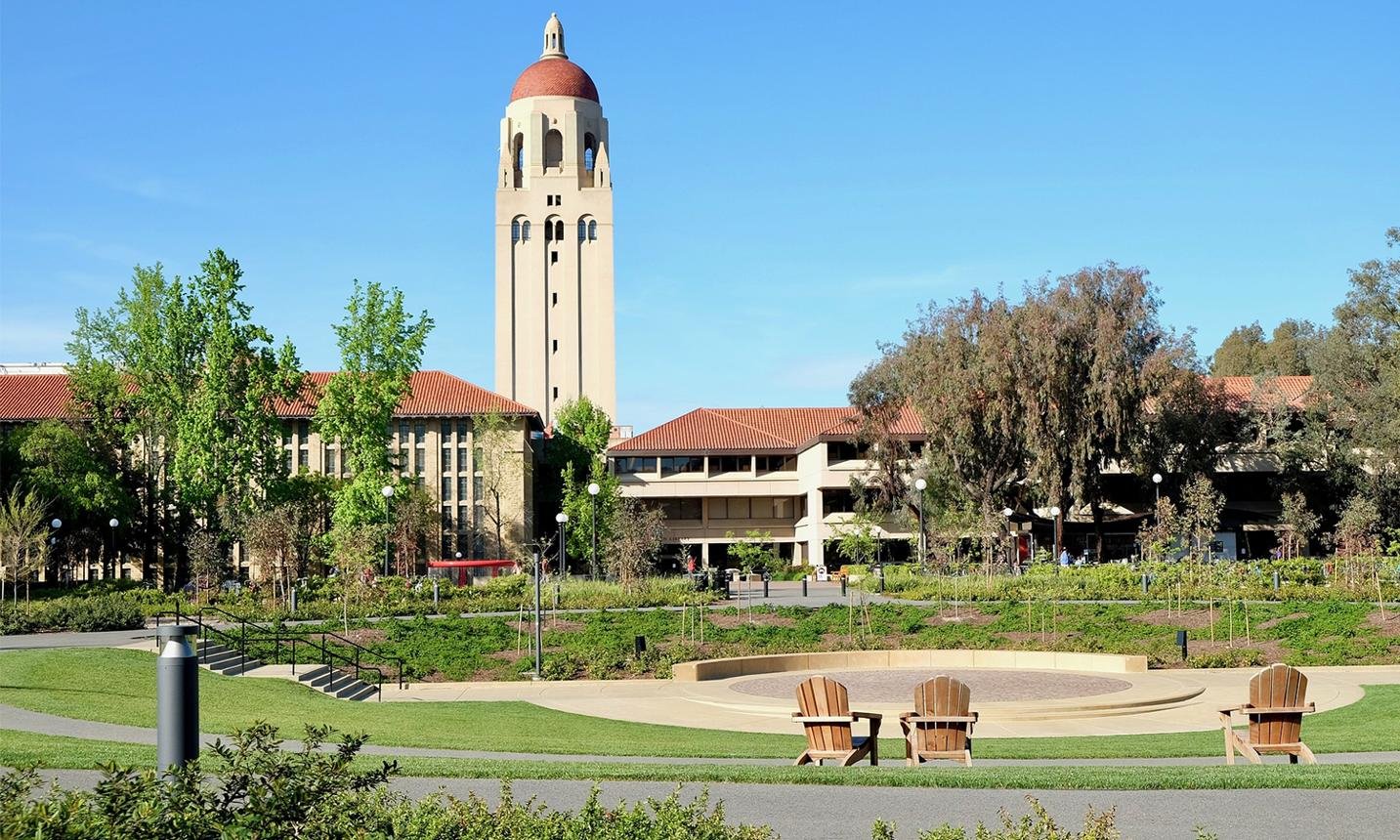










Campus culture and diversity are among the strongest features of USA universities. American universities attract students from different countries, religions, languages, and cultural backgrounds. This multicultural environment creates unique educational experiences where students not only gain academic knowledge but also learn about global perspectives and human connections.
Diversity on university campuses helps students become more open-minded and respectful toward people with different traditions and beliefs. Students interact daily with classmates from Asia, Europe, Africa, the Middle East, and Latin America. These interactions help build international friendships and improve cross-cultural communication skills.
USA universities actively promote inclusion and equality. Most campuses organize diversity programs, cultural festivals, international student events, and awareness campaigns. These activities encourage students to celebrate cultural differences and create welcoming communities.
Campus culture in the United States is usually very active and student-centered. Universities encourage students to participate in clubs, organizations, leadership programs, volunteer activities, and social events. There are clubs for almost every interest, including music, sports, technology, literature, politics, science, and entrepreneurship.
International students often experience culture shock when they first arrive in America. Differences in food, language, teaching styles, and social behavior can feel challenging. However, universities provide orientation programs and support centers to help students adjust comfortably.
One important aspect of campus culture is academic freedom. Students are encouraged to express opinions, ask questions, and engage in discussions. Professors value critical thinking and independent ideas, which helps students develop confidence and communication skills.
Diversity also improves classroom learning experiences. Students from different backgrounds bring unique viewpoints into discussions and group projects. This exposure helps students better understand international issues and prepares them for global careers.
Religious diversity is respected at most USA universities. Campuses often have prayer rooms, religious organizations, and cultural associations that allow students to practice their faiths freely. Universities aim to create environments where every student feels accepted and supported.
Food diversity is another interesting part of campus culture. Dining halls often provide meals from different cuisines, including Asian, Middle Eastern, Mexican, African, and European dishes. This helps international students feel more comfortable while also introducing domestic students to global cultures.
Campus traditions also create strong community connections. Universities organize sports competitions, graduation ceremonies, festivals, and student celebrations that become memorable parts of university life.
Diversity extends beyond nationality and religion. USA universities also support gender equality, accessibility for disabled students, and equal opportunities for students from different economic backgrounds.
Living in a diverse campus environment teaches students valuable life skills. They learn tolerance, adaptability, teamwork, and empathy. These qualities are highly important in modern workplaces where employees often collaborate with people from different cultures.
Many employers value graduates who have international awareness and multicultural experience. Therefore, studying in a diverse university environment can improve future career opportunities.
Despite the benefits, diversity can sometimes create misunderstandings due to language barriers or cultural differences. Universities address these issues through counseling services, educational workshops, and community-building programs.
In conclusion, campus culture and diversity are essential parts of the USA university experience. By bringing together students from different backgrounds, universities create inclusive learning communities that encourage academic growth, cultural understanding, and global friendship. These experiences help students become better professionals and more responsible global citizens.